Enhancing Home Protection – The Benefits of Roofing and Siding Services

Enhancing home protection is a priority for homeowners, and one of the most effective ways to achieve this is through roofing and siding services. These two elements not only contribute to the aesthetic appeal of a home but also serve as crucial barriers against environmental elements, ensuring the safety and longevity of the structure. Roofing and siding act as the first line of defense, protecting the home from weather extremes such as rain, snow, wind, and even UV rays from the sun. The roof is arguably the most important part of a home’s exterior. It shields the interior from the elements, preventing water leaks, mold, and even structural damage. A well-maintained roof can increase energy efficiency by keeping the temperature regulated inside the house, reducing the need for excessive heating or cooling. When the roof is in good condition, it can help to prevent costly repairs in the future. Regular inspections and timely repairs from professional roofing services ensure that small issues do not escalate into larger, more expensive problems. Siding, on the other hand, is equally crucial when it comes to home protection.
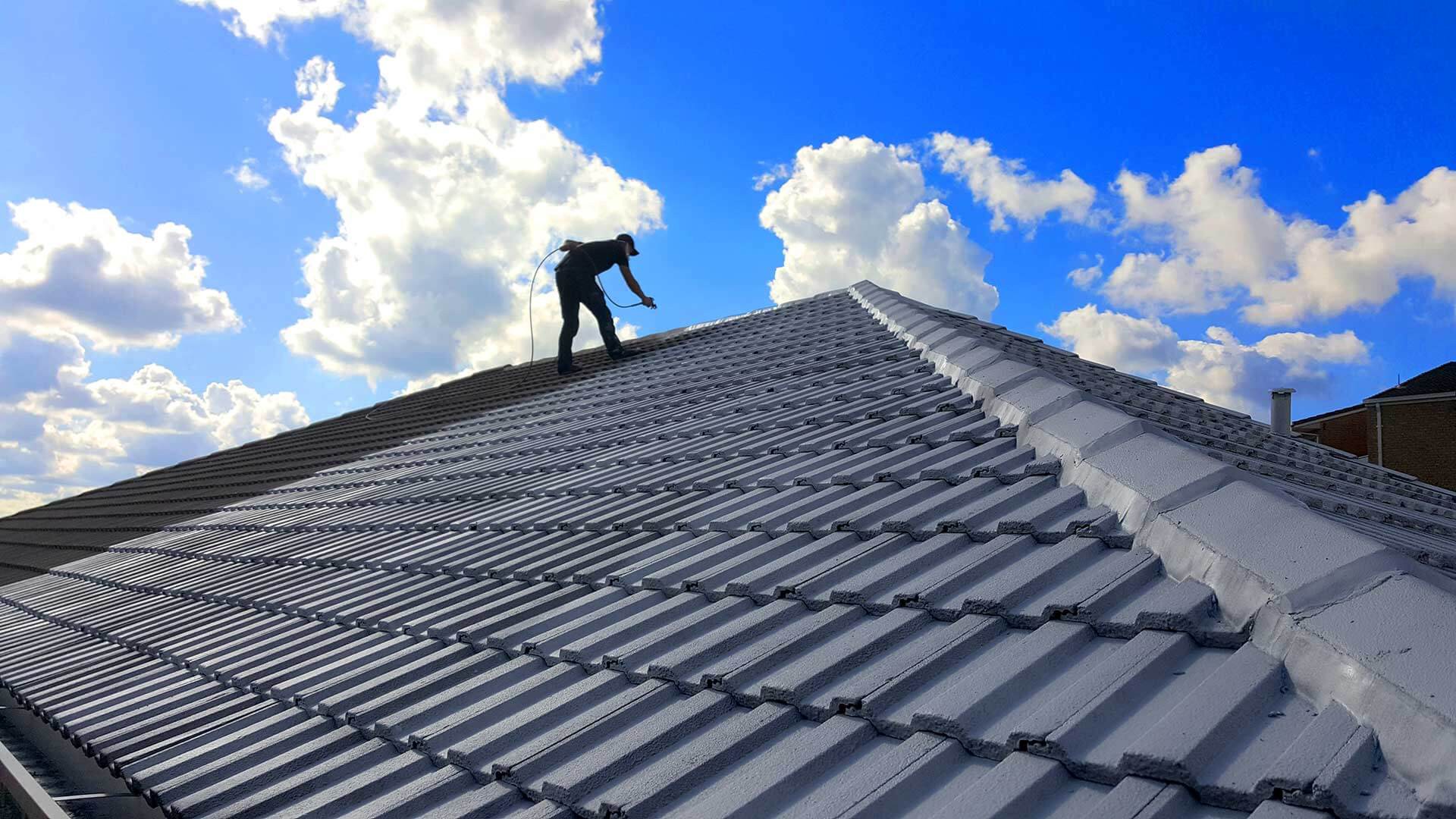
Roofing and Siding Services

It serves as a protective skin for the home, offering defense against harsh weather conditions, pests, and even fire. Vinyl, wood, fiber cement, and other materials are used for siding, each offering specific benefits in terms of insulation, durability, and aesthetics. Properly installed siding can help keep out drafts and moisture, further contributing to the home’s energy efficiency. In addition, siding can enhance the curb appeal of a house, giving it a fresh and modern look that adds value to the property. They protect the foundation of the home, reducing the risk of erosion and water infiltration, which can lead to costly repairs down the line. This is particularly important for homes located in areas with extreme weather conditions, such as heavy rain, snow, or high winds. High-quality roofing and siding materials are designed to withstand these elements, offering peace of mind to homeowners that their property is well-protected. Moreover, having professional roofing and siding services can improve the overall value of the home. When it comes time to sell, a home with a newer roof and updated siding will attract potential buyers.

They provide defense against the weather, prevent water and pest damage, improve energy efficiency, and contribute to the aesthetic appeal and value of your property and check here. Buyers are often looking for homes that require minimal work and offer long-term durability. Investing in these services not only protects the home in the short term but also ensures that it remains a valuable asset in the long run. Enhancing home protection through roofing and siding services is an investment that pays off in numerous ways. From improving energy efficiency to boosting curb appeal and safeguarding the structure against harsh weather conditions, the benefits are clear. Homeowners who prioritize the maintenance and installation of quality roofing and siding will not only enjoy a more comfortable and secure living environment but will also increase the overall value and longevity of their home. Investing in quality roofing and siding not only leads to lower energy costs but also contributes to a more sustainable and comfortable home for years to come.

Building a Home – Health and Wellness in Residential Design

Designing a home that prioritizes health and wellness is not just a trend; it is a fundamental aspect of creating spaces that support the well-being of occupants. As we spend a significant portion of our lives within our homes, it is essential to ensure that the built environment promotes physical, mental, and emotional health. This approach to residential design encompasses various factors, from the layout and materials used to the incorporation of nature and the integration of advanced technology. One key element in health-conscious residential design is ensuring proper indoor air quality. This involves choosing low-VOC volatile organic compound paints, finishes, and materials to reduce air pollution indoors. Proper ventilation systems, such as mechanical ventilation with heat recovery, can help ensure a constant supply of fresh air while maintaining energy efficiency. Additionally, the use of air purifiers and houseplants can further enhance indoor air quality by removing pollutants and increasing oxygen levels.

Natural light plays a crucial role in our well-being, both physically and mentally. Incorporating large windows and skylights into the design allows for ample natural light to flood the interior spaces. This not only reduces the need for artificial lighting but also helps regulate the body’s circadian rhythms, promoting better sleep and overall health. Furthermore, connecting indoor spaces with outdoor ones through design features like atriums or large glass sliding doors blurs the boundaries between inside and outside, allowing occupants to experience the therapeutic benefits of nature even while indoors. Biophilic design, which incorporates elements of nature into the built environment, is another essential aspect of health-focused residential design. This can include the use of natural materials such as wood and stone, the integration of water features, and the inclusion of green walls or living roofs. Studies have shown that exposure to natural elements in our surroundings can reduce stress, increase productivity, and improve overall well-being. Incorporating spaces for physical activity and relaxation is vital in health-conscious residential design.

Similarly, creating serene and peaceful spaces like reading nooks, spa-like bathrooms, or outdoor lounging areas can contribute to mental and emotional well-being contractor toronto. Finally, the integration of smart home technology can enhance the overall health and wellness of a residence. Smart thermostats can help regulate indoor temperatures for comfort and energy efficiency, while advanced lighting systems can adjust light levels to mimic natural daylight patterns. Additionally, voice-activated systems can control various aspects of the home, from security to entertainment, making daily life more convenient and stress-free. In conclusion, health and wellness in residential design go beyond aesthetics and luxury; they are fundamental to creating spaces that support the physical, mental, and emotional well-being of their occupants. By prioritizing indoor air quality, natural light, biophilic elements, spaces for physical and mental health, and smart technology integration, homeowners can create environments that promote a healthier and happier lifestyle.

Copyright ©2026 . All Rights Reserved | Nintendo Player